


AstraZeneca – Building 310: Laboratory Fit-Out
AstraZeneca
The Opportunity
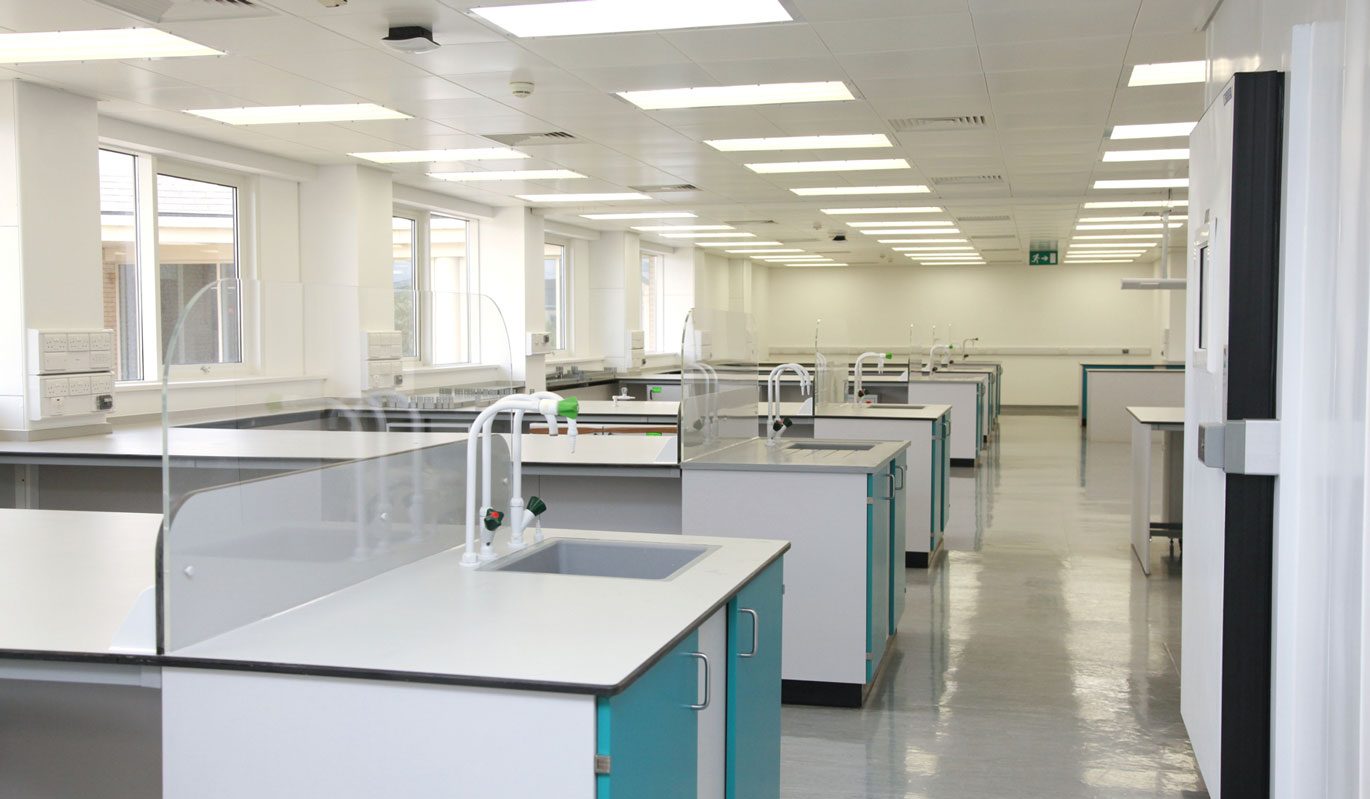
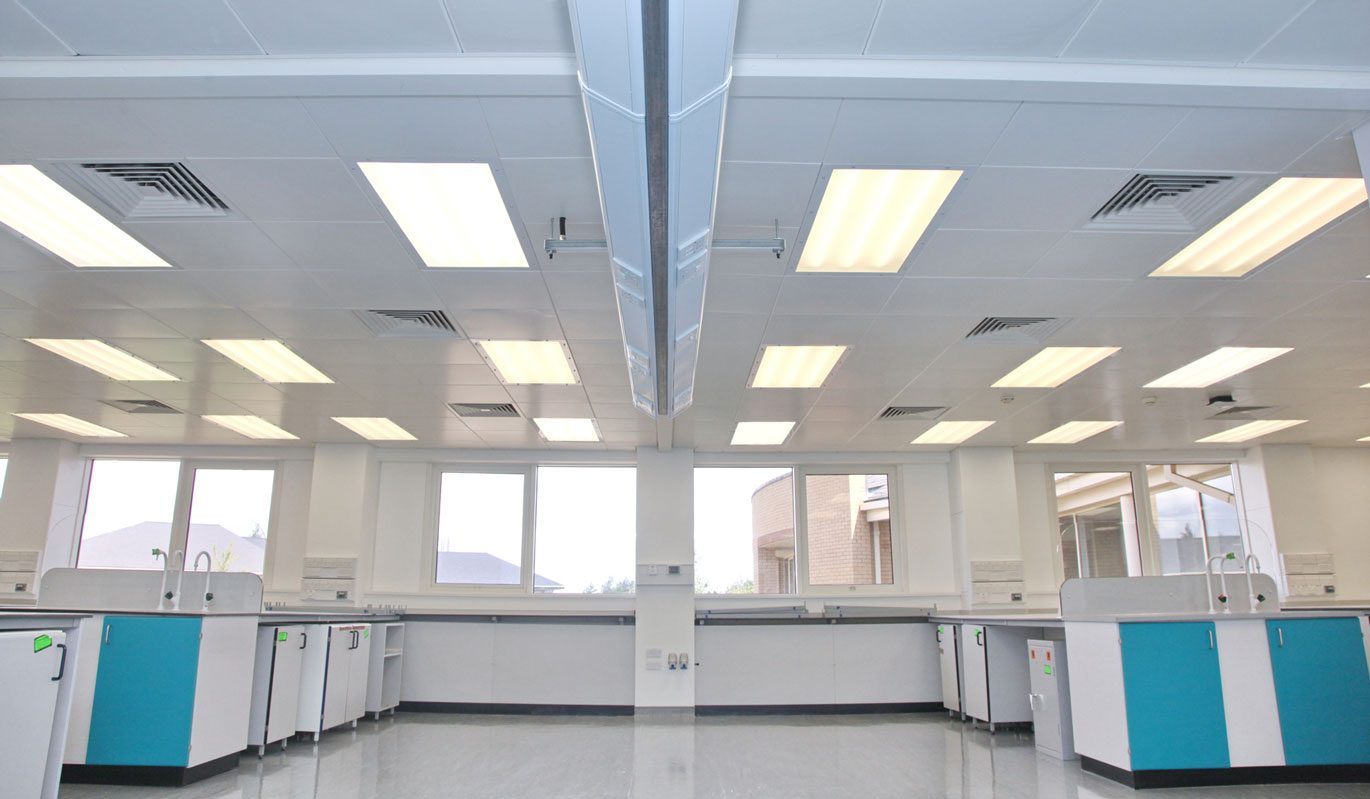
AstraZeneca invited Austin to discuss the redevelopment of 3,600m2 of existing laboratory facilities at Building 310, Cambridge Science Park. The existing building comprised scientific accommodation and associated plantroom located alongside an atrium and two floors of office accommodation. This was to be refurbished to provide accommodation for 140 scientists from a range of research groups.
This project was a key component of AstraZeneca’s relocation strategy, and its success was dependent upon a number of factors which included:
- being able to deliver the facility for occupation within a short timescale
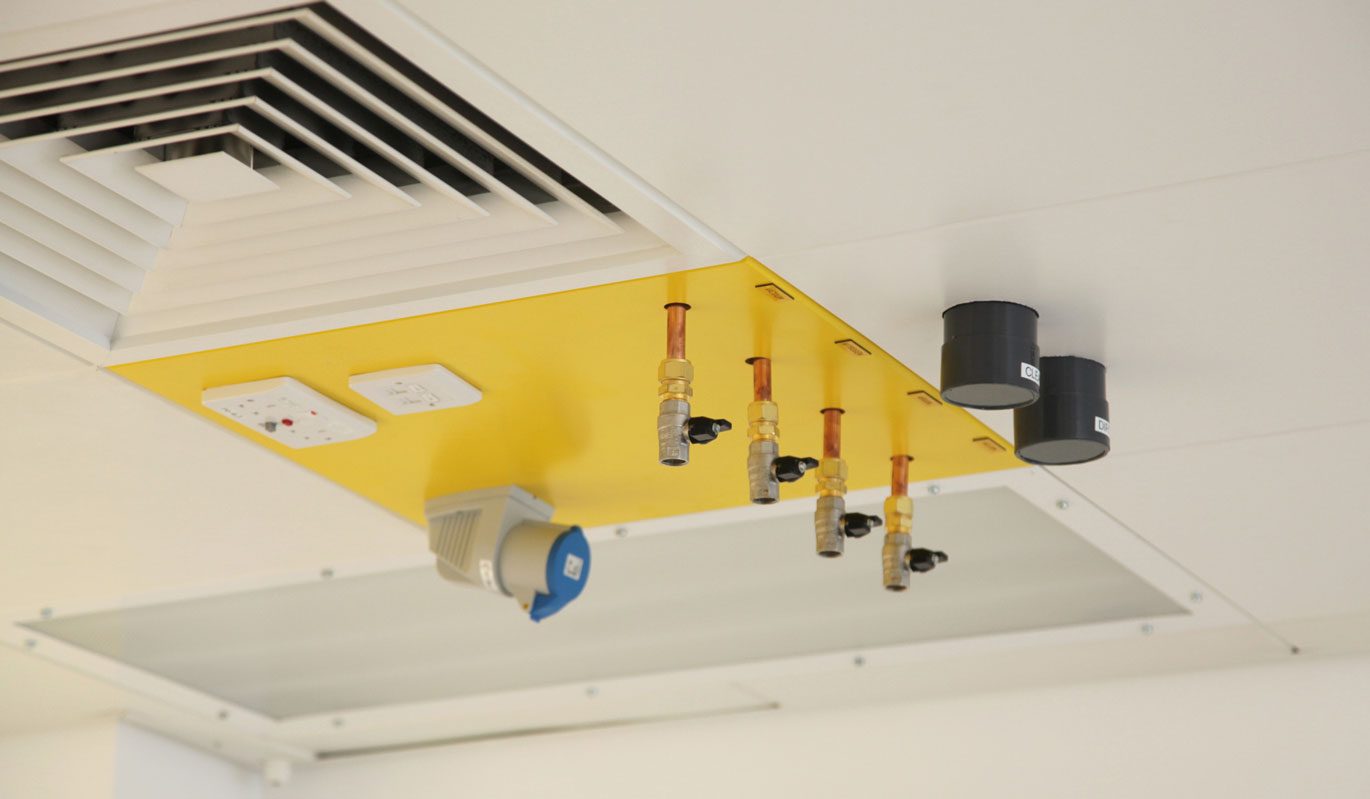
- being able to accommodate the significant number of extract devices and large automation and robotics equipment required by incoming research groups.
The Solution
Austin undertook the project in two stages:
- Preliminary Design
- Detailed Design and Construction
During the preliminary design stage, Austin worked alongside the AstraZeneca project manager and scientific teams in order to define their key project objectives and research needs. This collaboration produced a robust definition of the range of general and specialist research and support spaces, which included:
- Open plan oncology laboratory
- Three open laboratory areas
- Two tissue culture suites
- Radio isotope laboratory
- DMPK Imaging laboratory
- Pre and Post PCR labs
A key component of this collaboration was to establish a series of ‘sharing concepts’ which would not only promote closer working but would also allow a significant reduction in the quantity of duplicated equipment items. This approach made it possible to deliver ‘effective science’ within a relatively constrained area.
Adapting complex, heavily serviced buildings can present a number of unique challenges to successful project delivery.
Austin undertook a comprehensive review of the existing building to establish the constraints and opportunities associated with adapting the fabric and services infrastructure and to identify the most effective way of adapting these to meet the demanding scientific needs and the short project timescale. This review played a major role in establishing a number of key drivers which informed the redevelopment philosophy.
The robustness of the preliminary design process allowed us to progress to the detailed design and construction stage seamlessly. Austin developed the detailed design and the construction philosophy in parallel, allowing the demolition and refurbishment works to take place at the earliest opportunity.