


Afton Chemical Limited
Laboratory Refurbishment
The Opportunity
Afton required the existing HVAC system feeding seven laboratories on the ground floor of their Bullbrook Building to be replaced so that they are compliant with BS EN 14175 and HSG 258, and at the same time to improve diversity and utilisation of the fume cupboards and LEV systems.
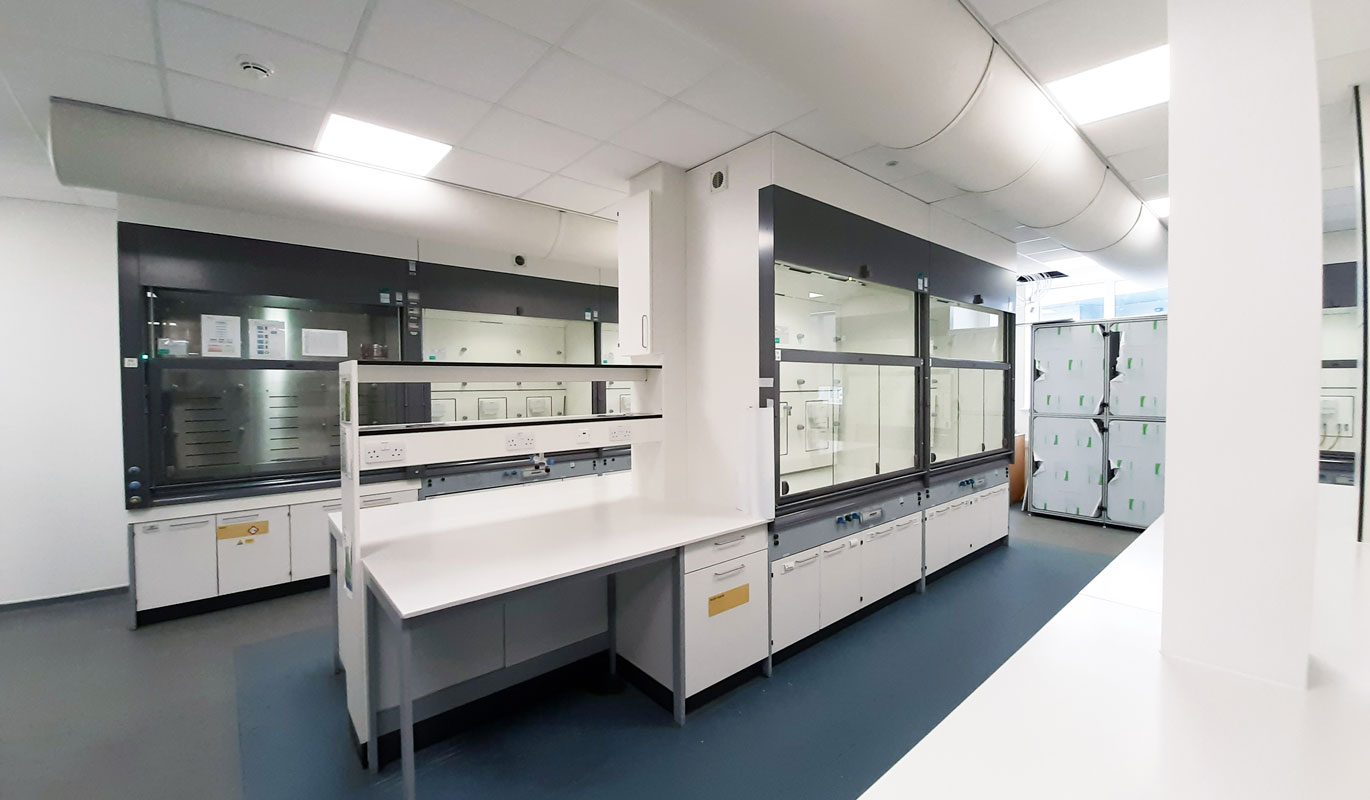
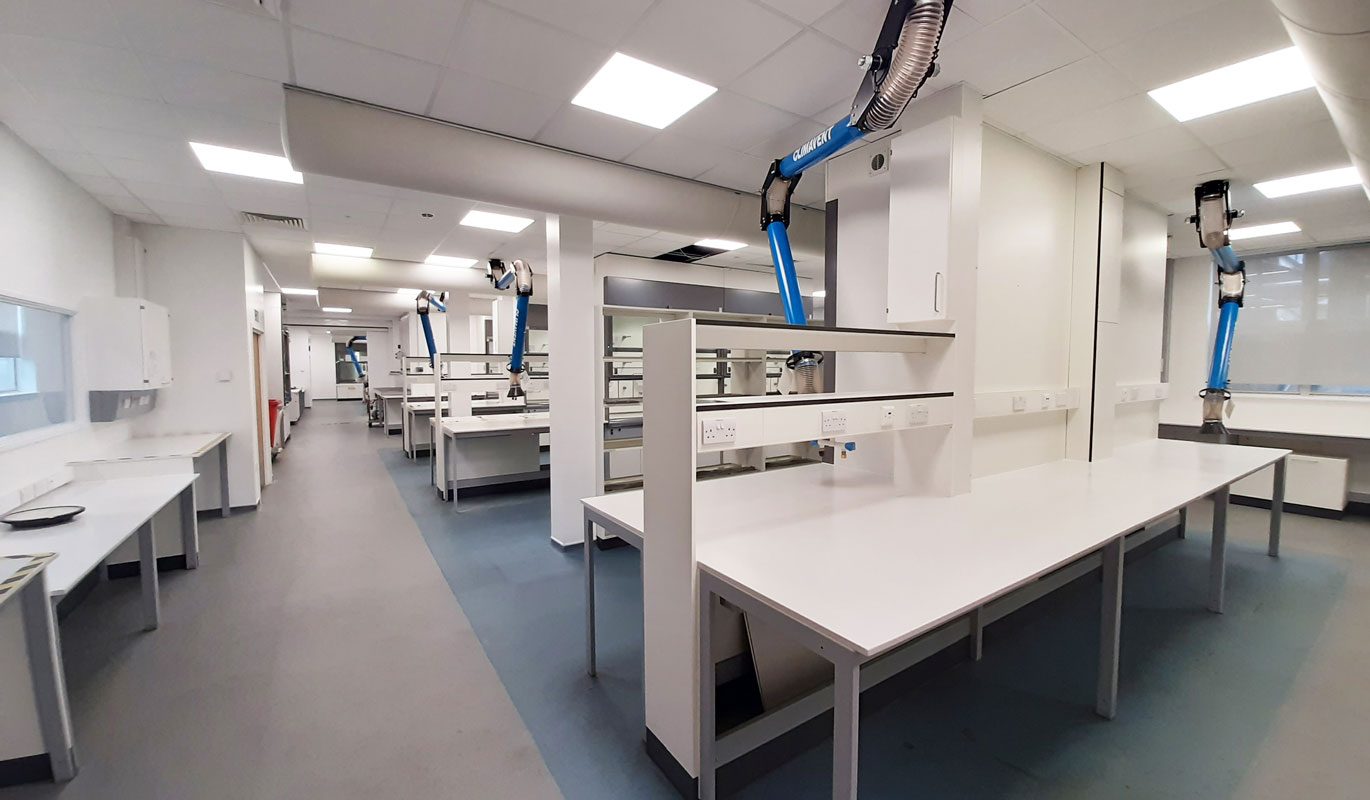
To provide Afton with a ±10% estimate and a delivery programme, Austin were requested to develop a preliminary design to ascertain the most appropriate way to replace the HVAC system with minimal disruption, keeping all the other working laboratories operational. The design required reconfiguration of fume cupboards and laboratory benching in each of the seven laboratories along with modifications to associated process water, gases and, where possible, reusing existing benching.
Space constraints necessitated the ductwork systems be designed around existing services within the ceiling voids and overcoming physical building constraints of the occupied areas.
Modelling of maximum and minimum operational laboratory air flows with seasonal demand matching were required to assess the maximum chilled water and low temperature hot water system demands utilising heat recovery to ensure an energy efficient design.
Value engineering analysis, constructability reviews and construction planning reviews were undertaken to achieve construction efficiency and continuity.
Upon conclusion of the preliminary design, Afton required Austin to undertake the next stage through to completion.
The Solution
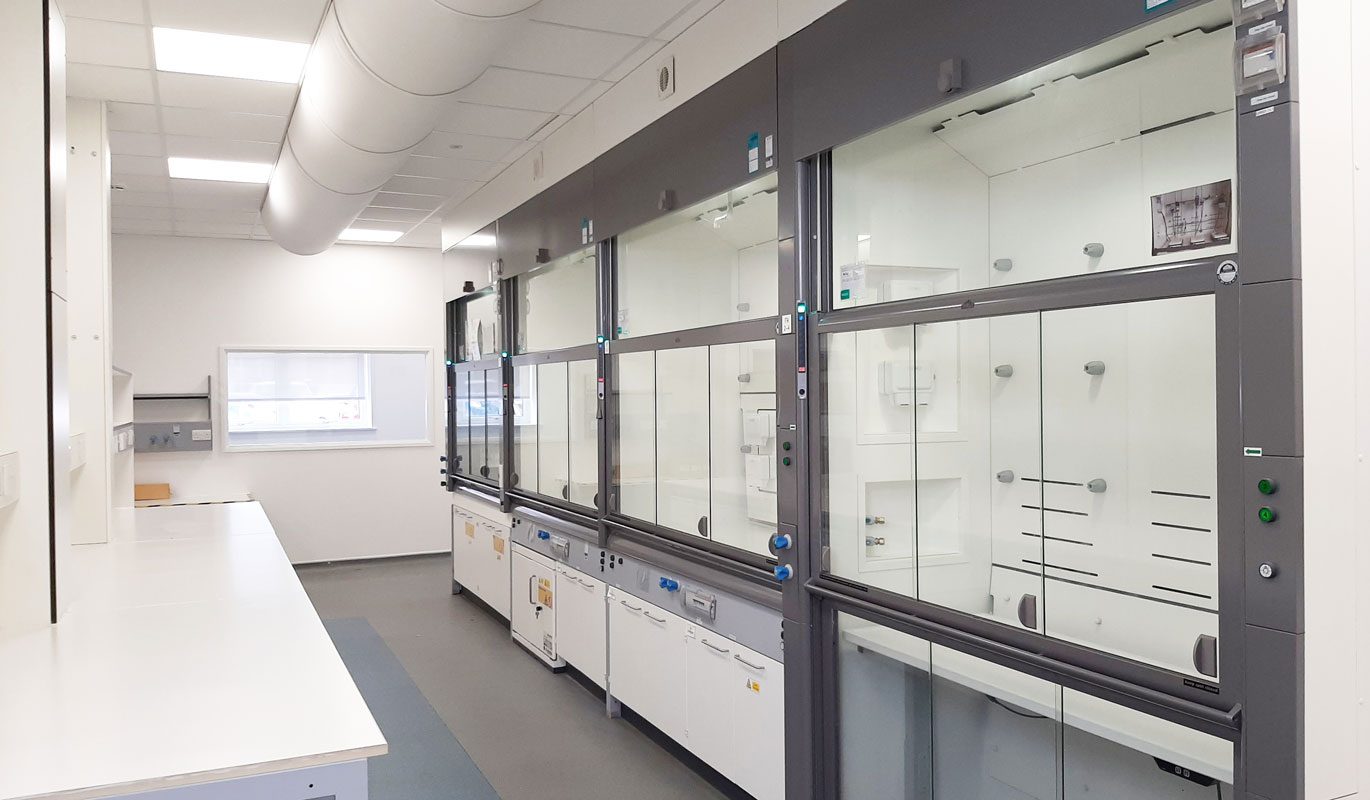
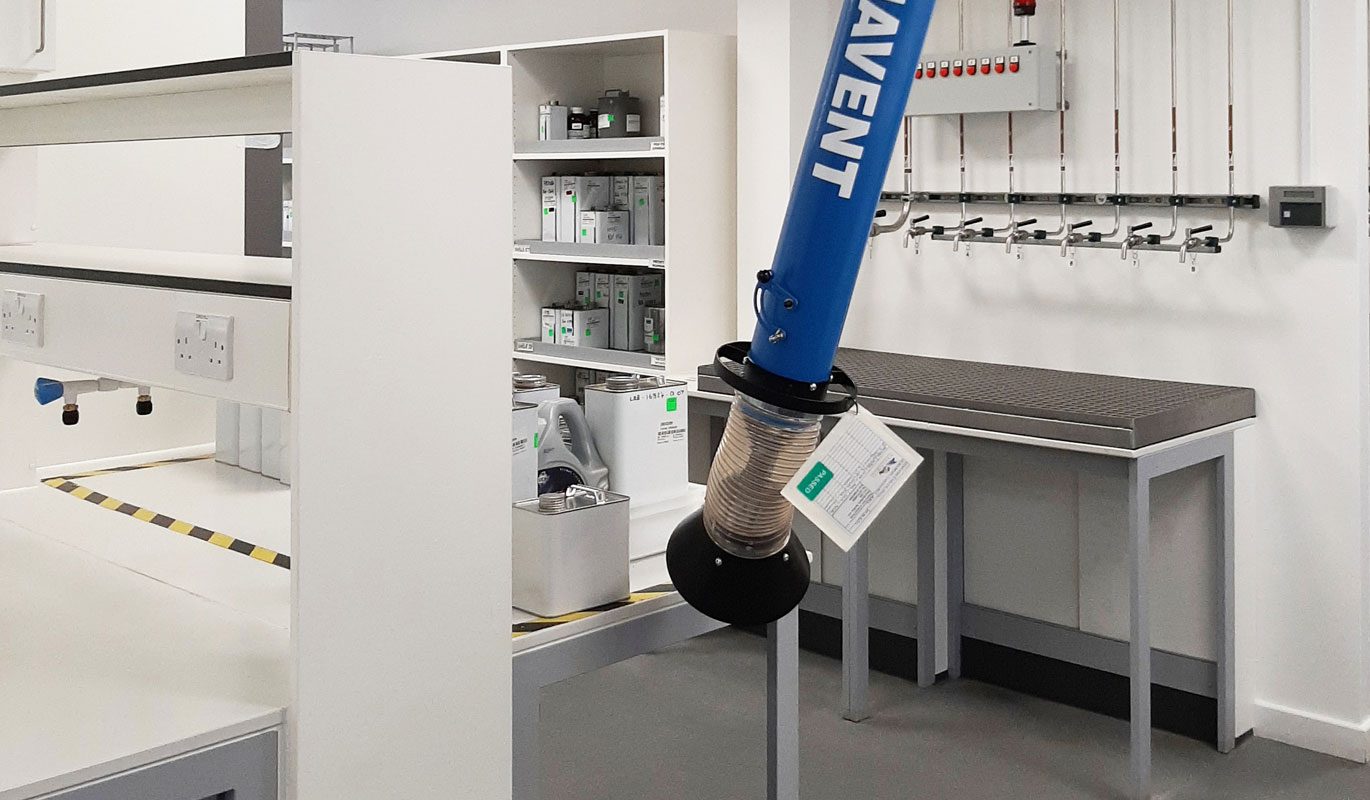
The design solution included new variable air volume fume cupboards, oven cabinets, LEV extract systems and associated variable air volume supply air systems for 46 No. fume cupboards. Four independent HVAC systems were developed and located externally for the seven laboratories using intelligent variable air volume system to conserve energy.
Enhanced acoustic treatments were employed with external extract stacks designed to be unobtrusive to minimise aesthetic impact.
The existing low temperature hot water and chilled water systems were enhanced with provision of new boilers, chiller and pumps.
New bespoke lubricant oven extract cabinet systems were developed to protect the users and conserve energy.
Austin designed the works to be constructed in three phases whereby laboratories were temporarily vacated and HVAC systems replaced within the first phase including the new external mechanical and electrical utilities and equipment to feed subsequent phases.
Design proposals were submitted by the Austin mechanical, electrical, public health, civil and structural in-house multidisciplinary team in order to provide the most efficient solutions in terms of programme, quality and cost. Austin undertook the detailed design, procurement, construction, commissioning to handover of the facility including containment testing.