


Cadbury – QA Laboratory
Cadbury
The Opportunity
The QA Laboratory project at Cadbury demonstrates a strong capability in delivering highly specialized environments for microbiological and analytical testing. With advanced HVAC systems incorporating energy-efficient solutions, containment-level design, and centralized air handling for precise pressure control, this project highlights expertise in creating compliant, secure, and sustainable laboratory spaces. The integration of high-density electrical systems, cleanroom-compatible lighting, and robust security measures further positions us as a trusted partner for clients requiring complex technical infrastructure. This success opens opportunities to collaborate on future projects in the pharmaceutical, food, and research sectors where stringent environmental and safety standards are critical.
The Solution
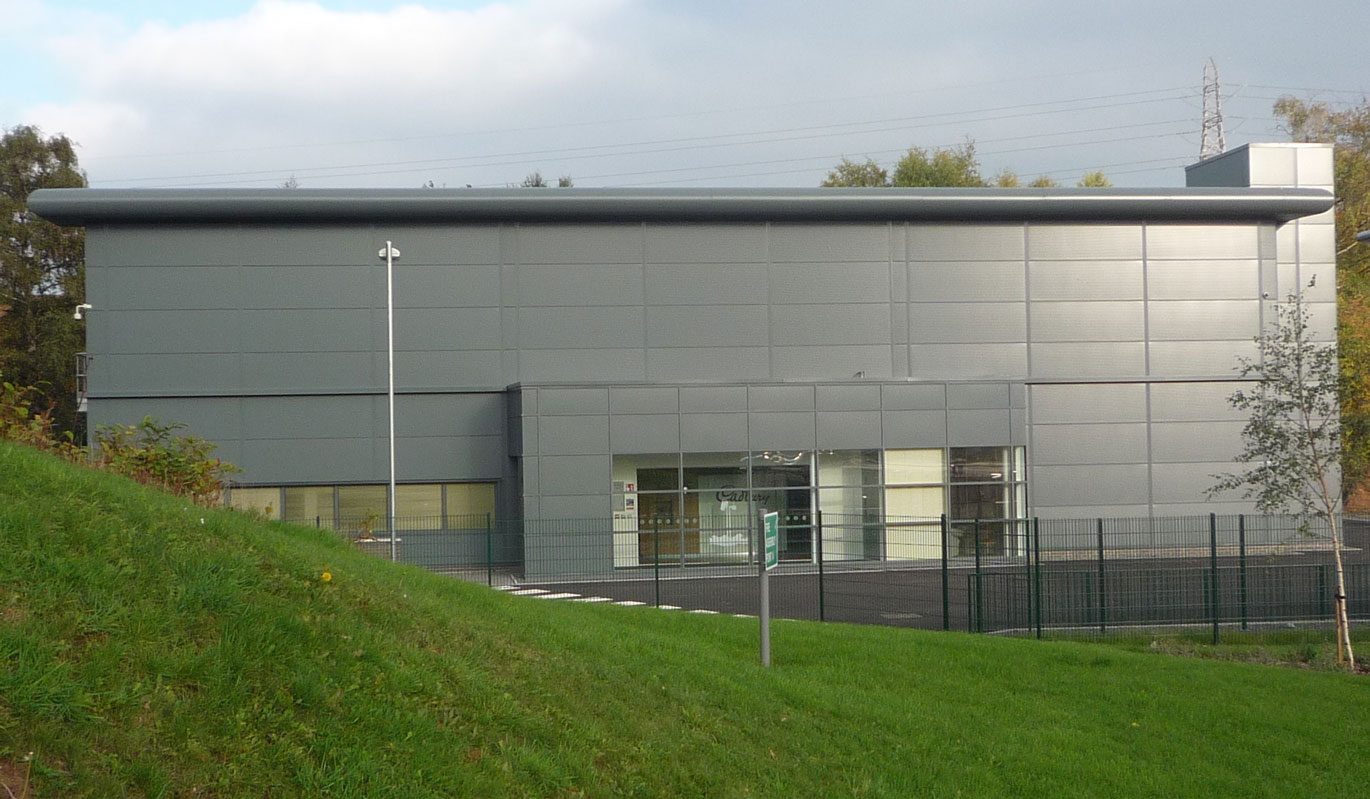
The building has a footprint of 720m² and incorporates a concrete mezzanine plant floor over the office and stores area. The laboratories have an accessible walk-on ceiling which is accessed from the plant mezzanine.
This allows unhindered service distribution to the laboratory areas above ceiling level.
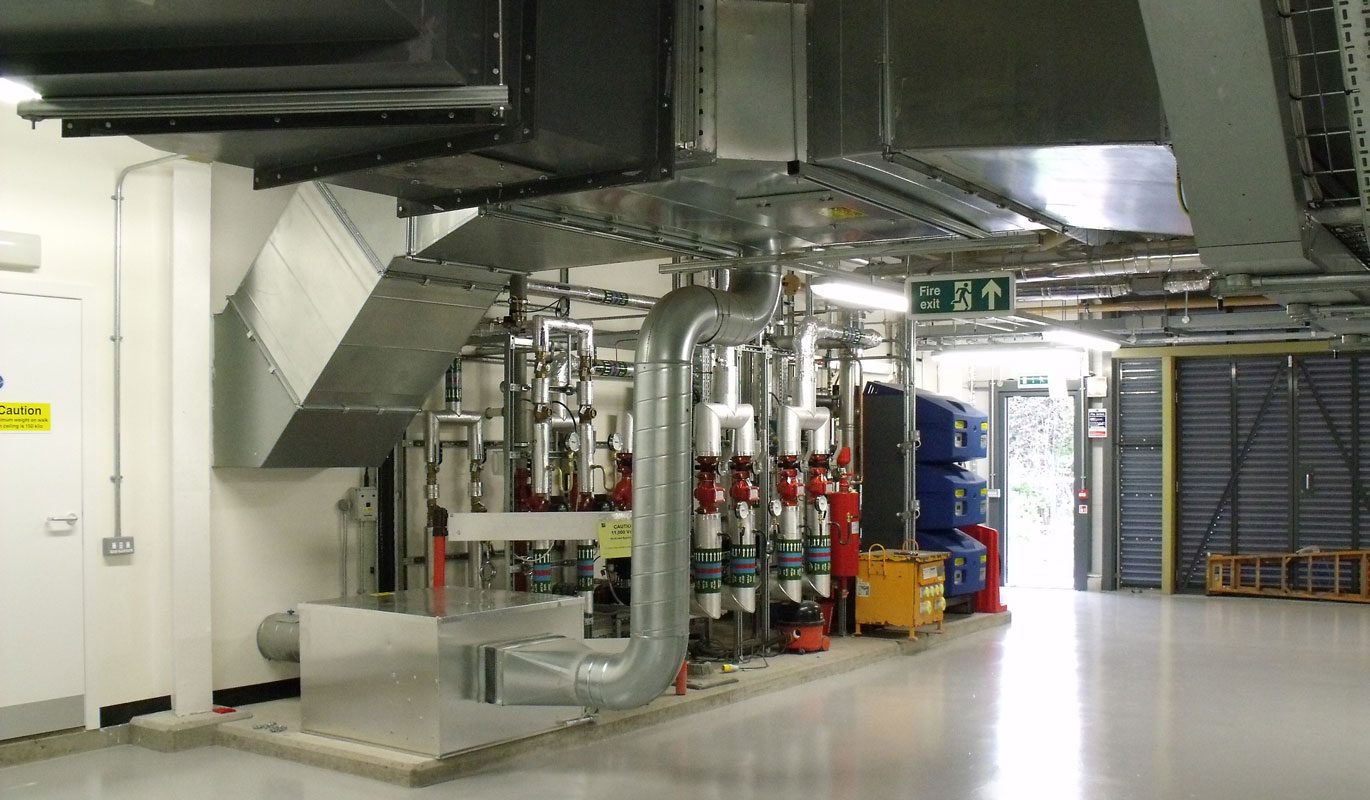
A centralised air handling plant provides conditioned air to the microbiology laboratories which employs a cascade pressure regime for containment.
Constant volume boxes are employed on branches with terminal HEPA filtration to maintain the desired room pressure regimes.
Energy savings are achieved on the HVAC system using an indirect runaround coil arrangement and high efficiency modular boiler serving a variable volume heating system.
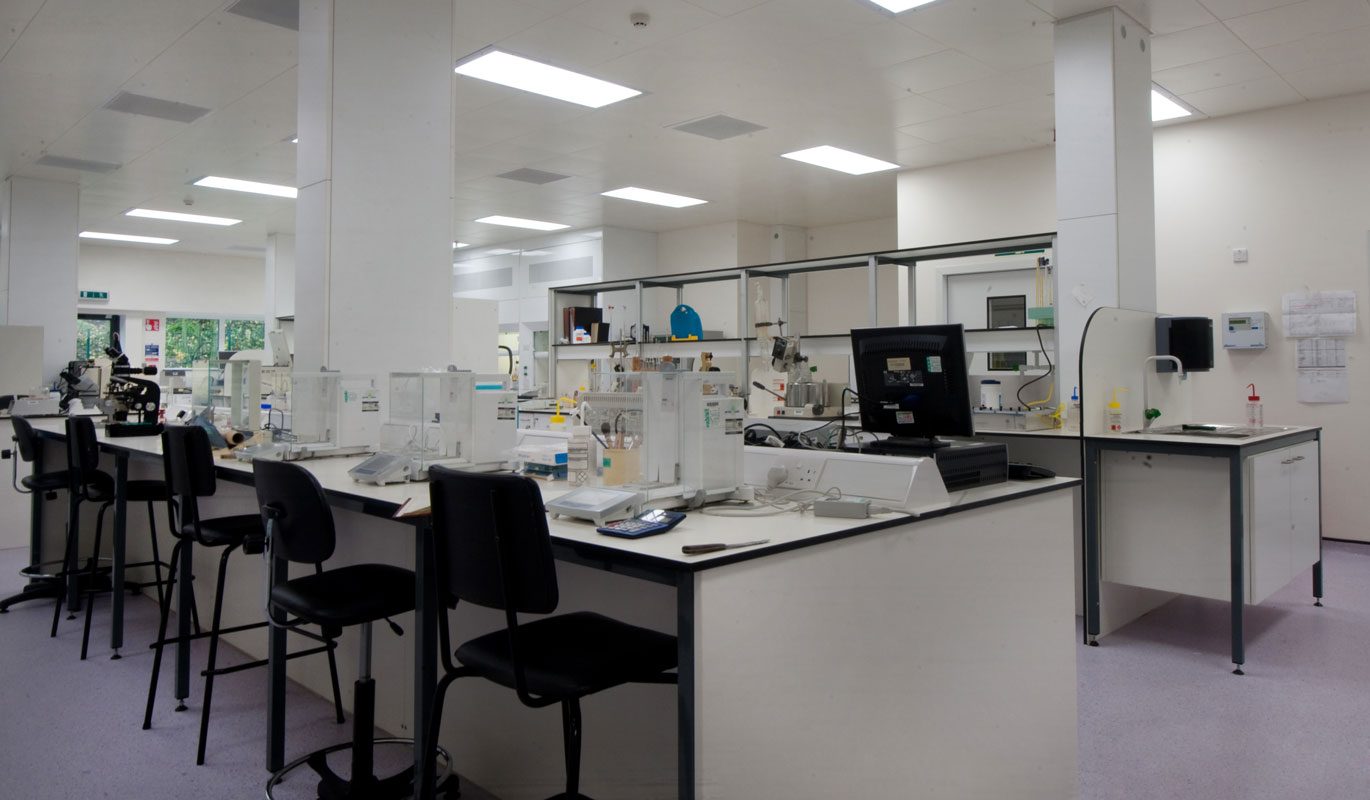
There are two microbiological and one analytical laboratory. The microbiology laboratories are designed as Containment Level 2 (CL2) which are positively segregated, with individual change lobbies equipped with sample pass through hatches. The building is configured to support the analysis and test flow with each laboratory layout reflecting the particular function requirements.
The electrical services included:
- High electrical load density requiring HV supply distributed by a packaged HV/LV substation switchboard.
- Clean room/laboratory requiring easily cleanable luminaires and accessories.
- Security comprising intruder detection and CCTV surveillance.
- Access control system to selected doors to create segregated secure zones within the building.
- Fire detection to P1/L1 category for property and life protection.
- BMS, security, CCTV, dire & sata services which are linked to the centralsite facility for monitoring.

Austin’s efforts were complemented with an award from Birmingham City Council in association with The Chartered Institute of Building and the Centre for Construction Excellence, for the Best Built-in Quality Project in Birmingham.